DELIYAR
"When guilt fractures reality, the unthinkable becomes visible."
Synopsis
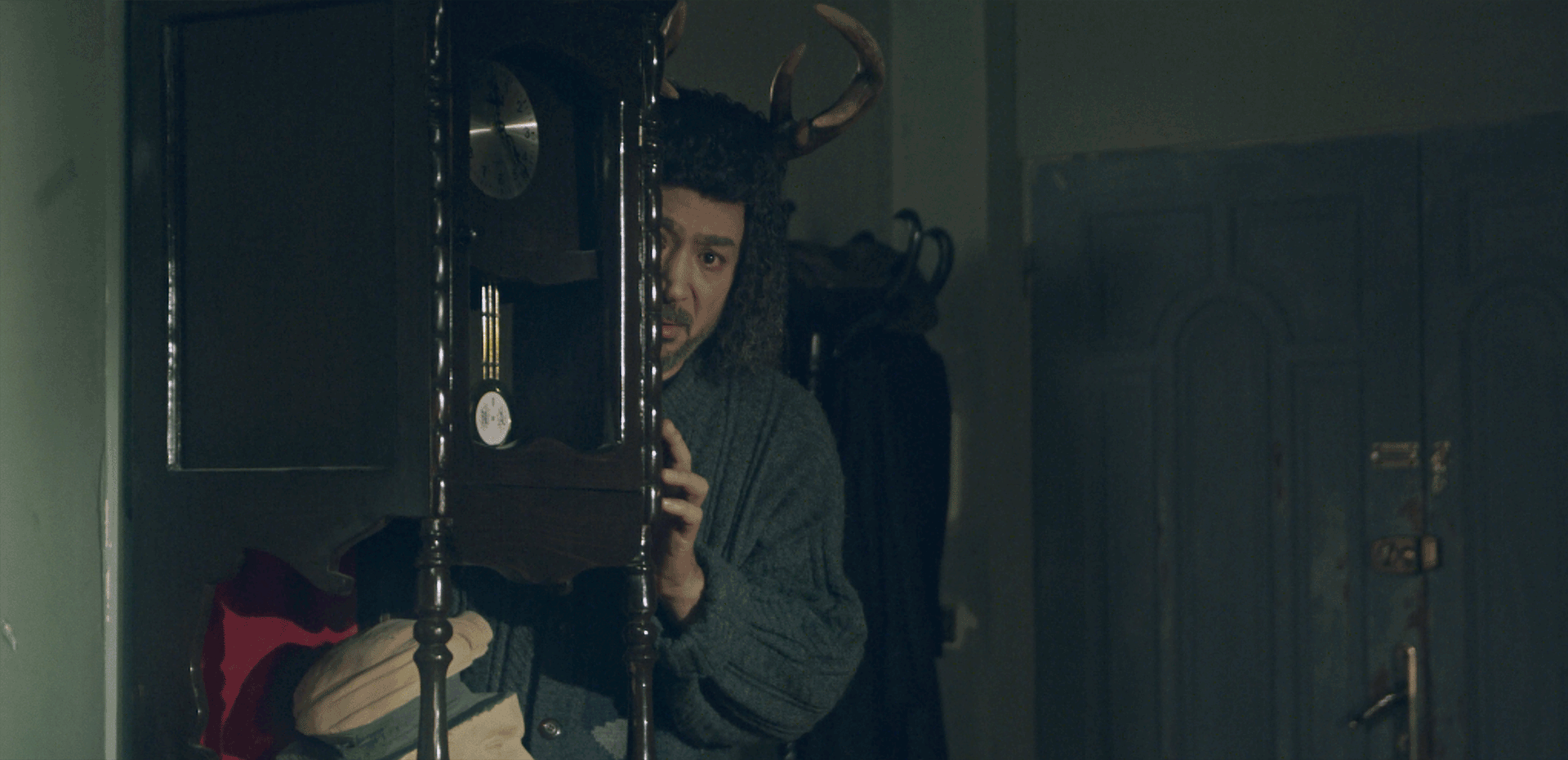
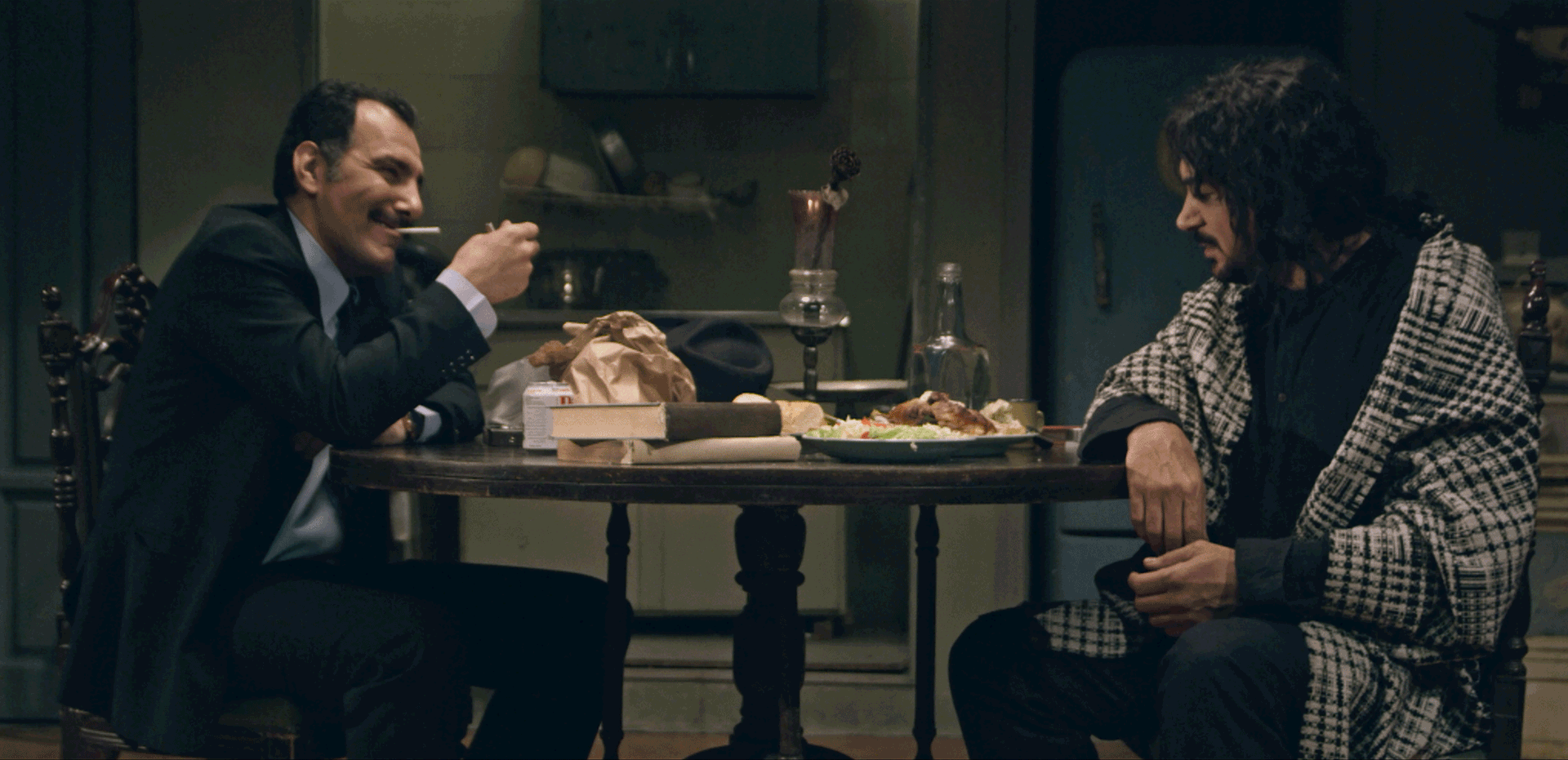
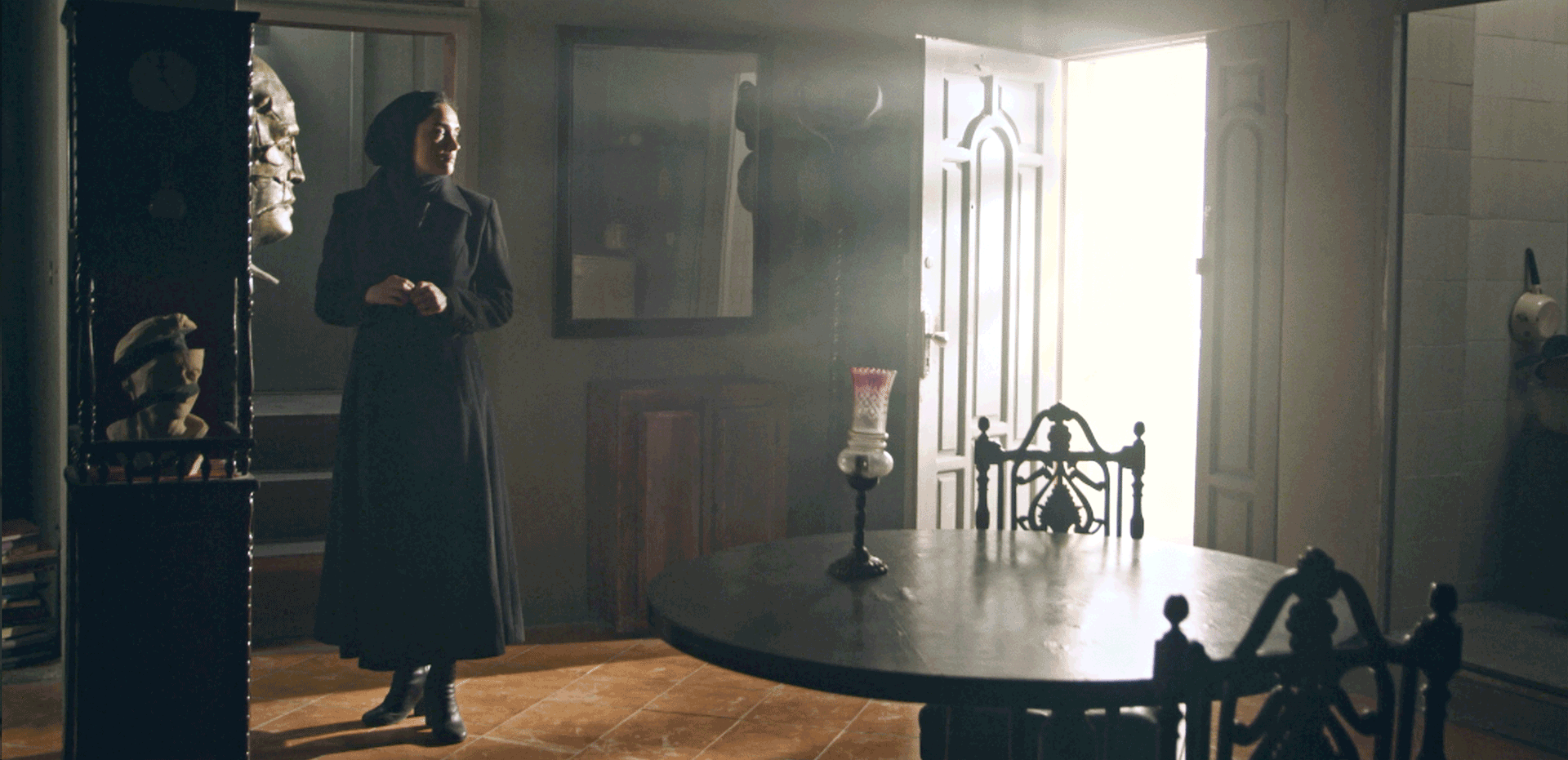
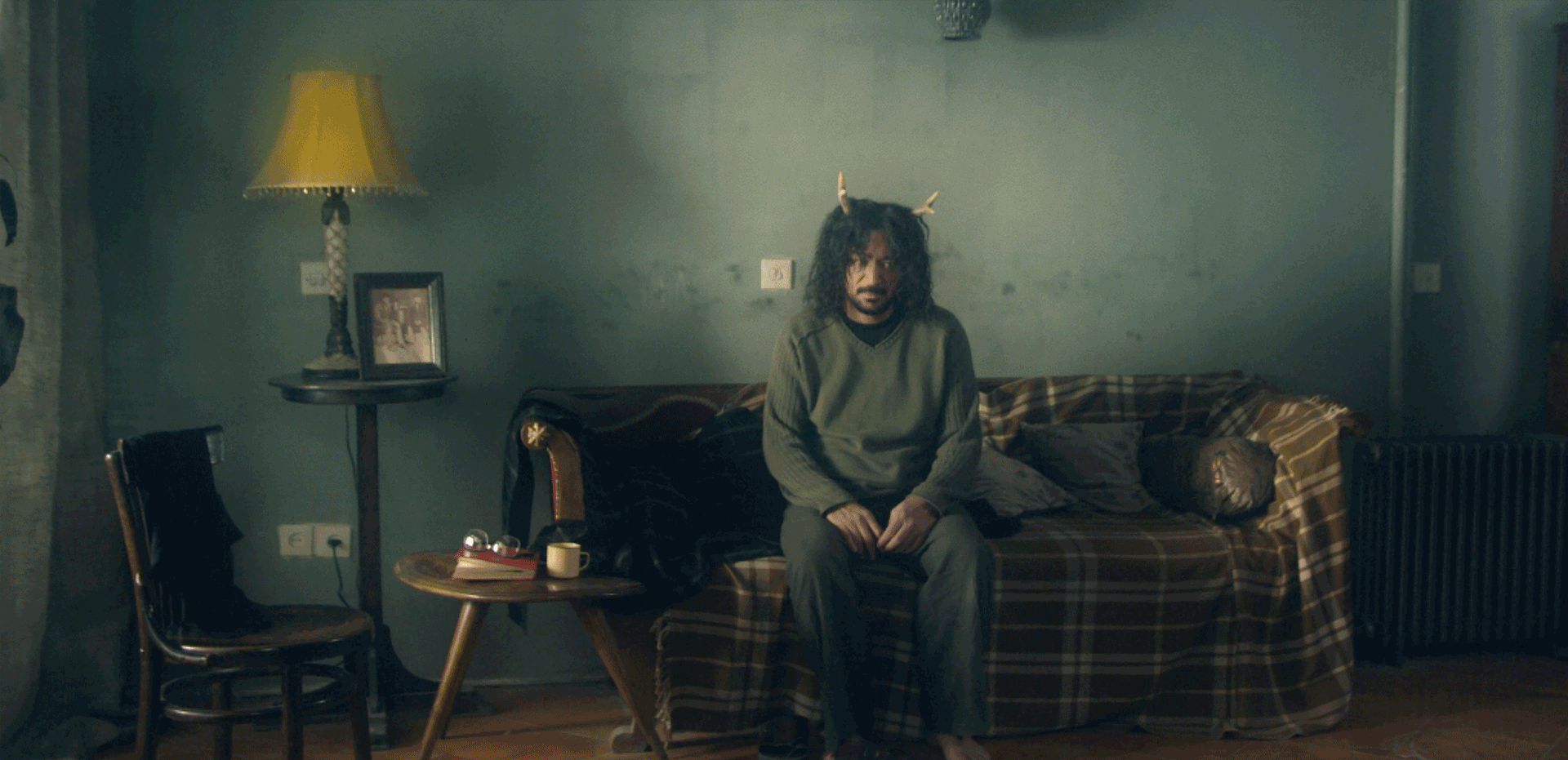
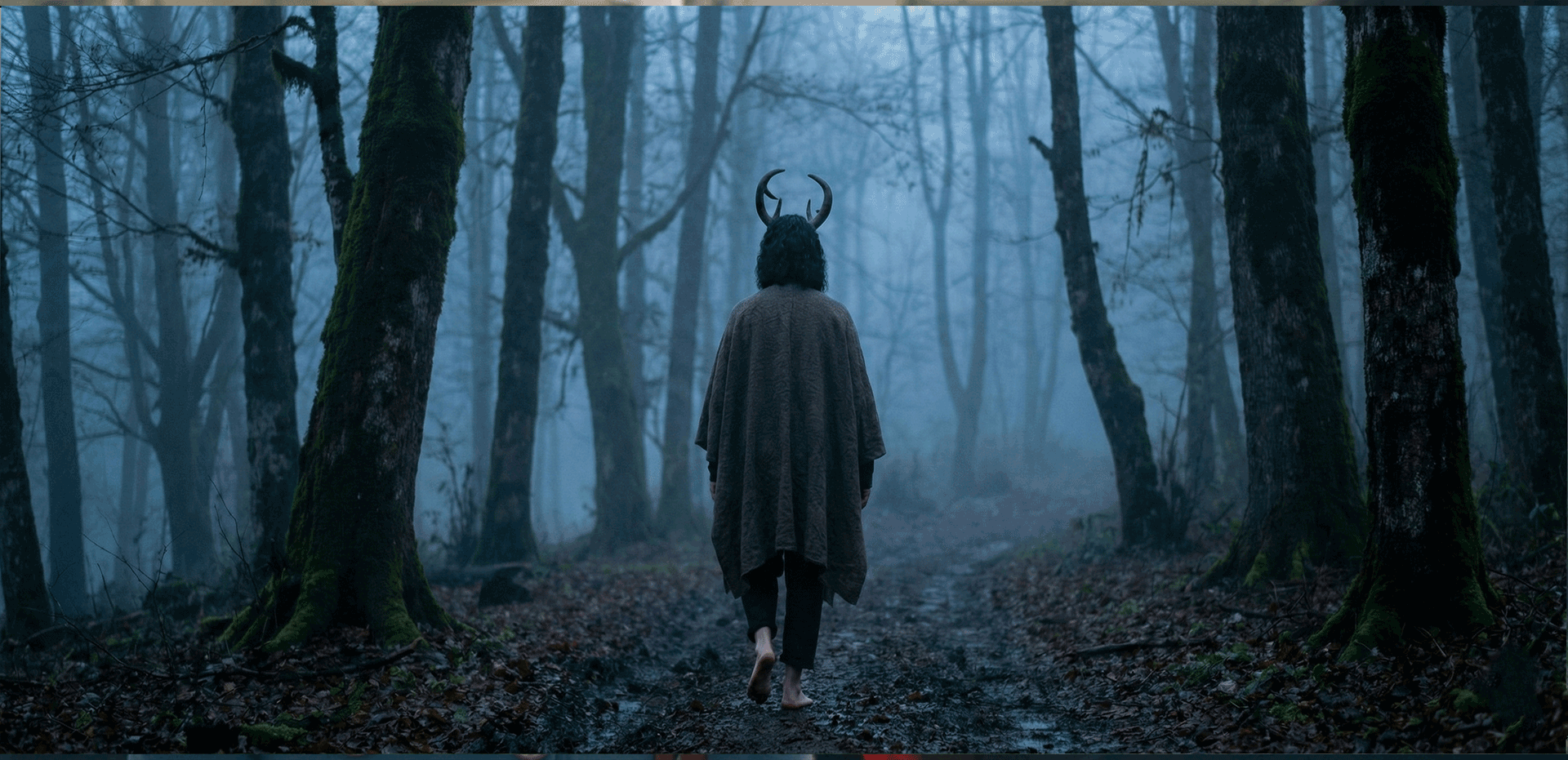
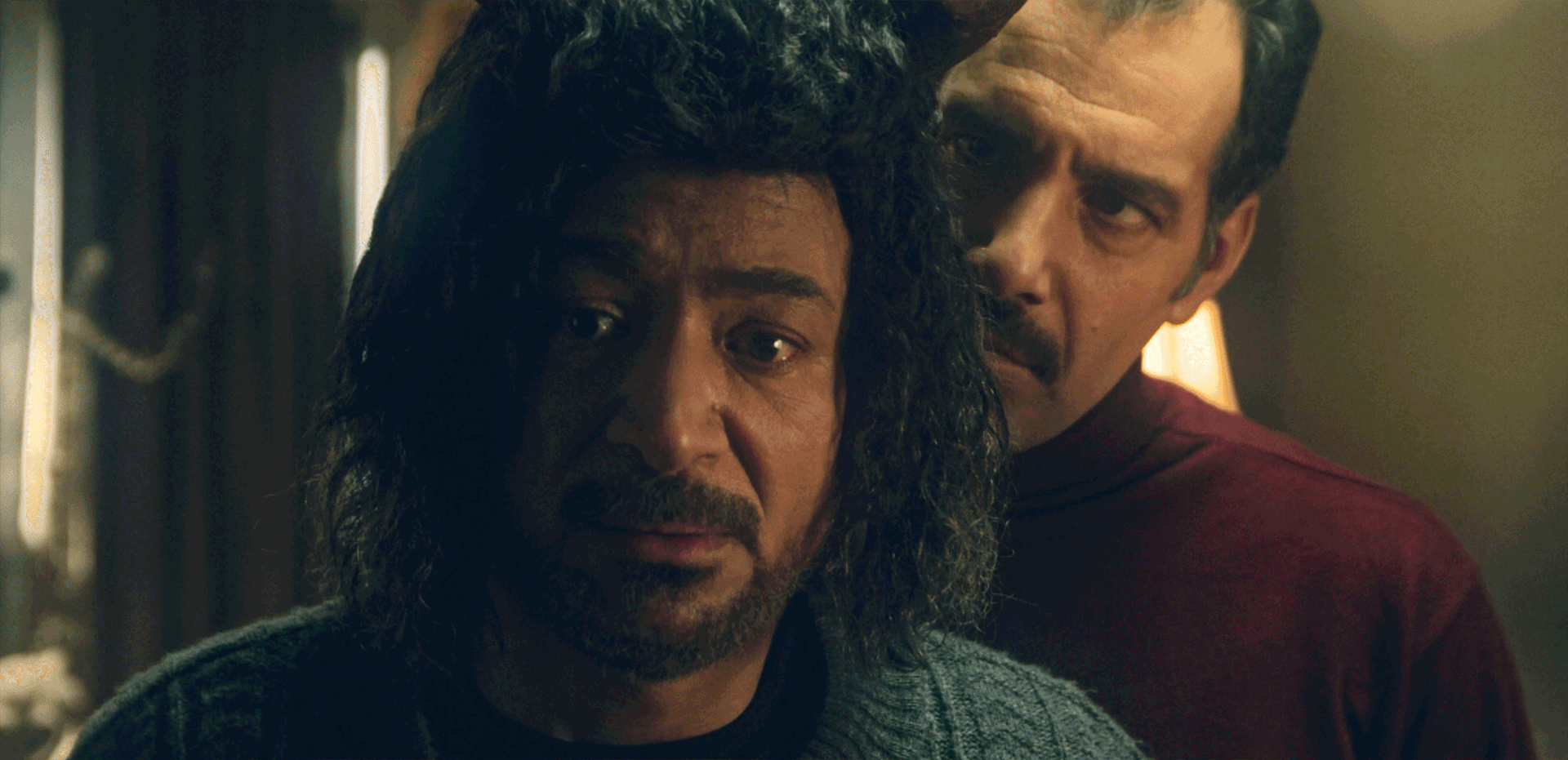
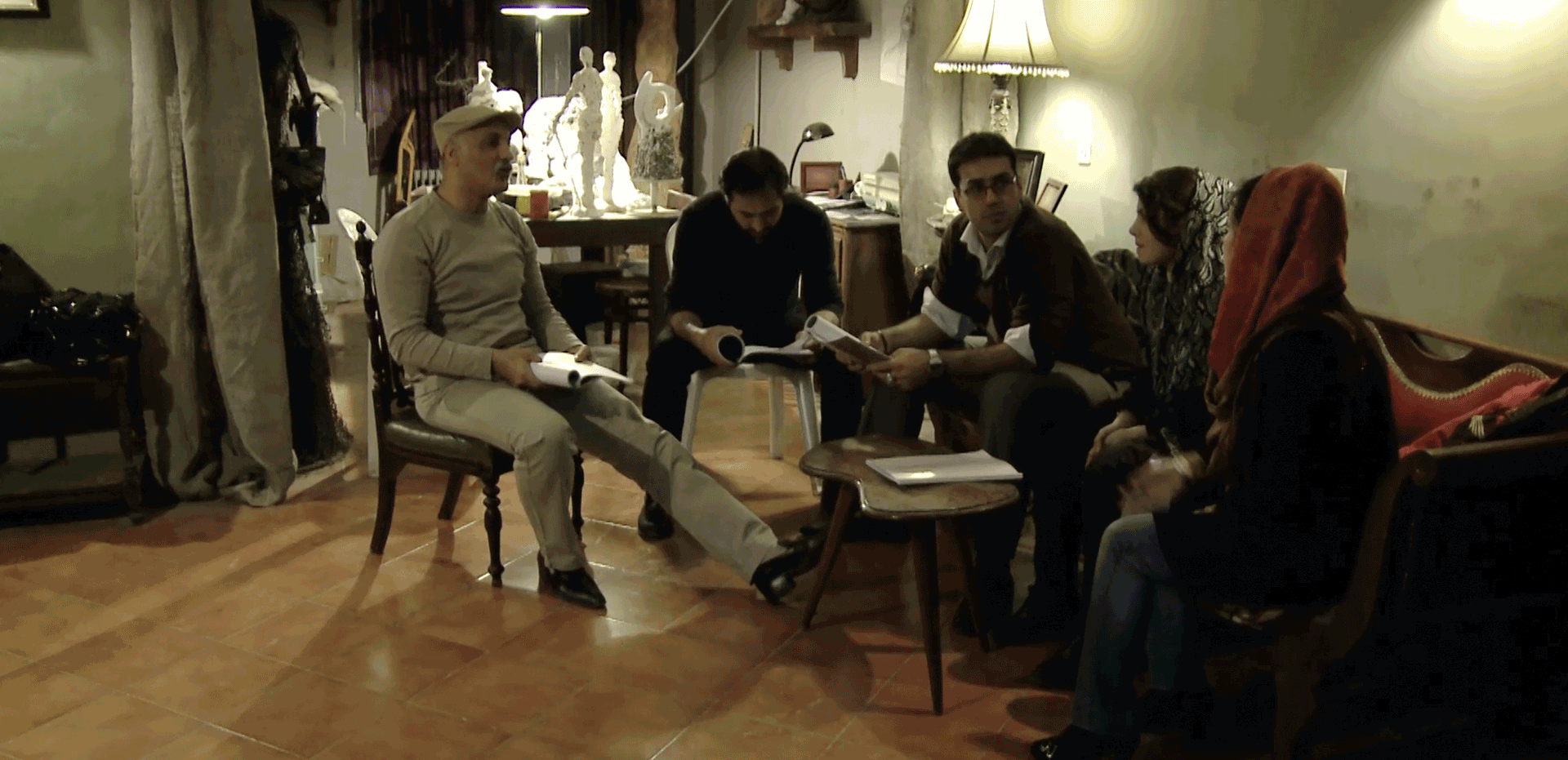
Siavash, a reclusive sculptor, becomes convinced that horns are growing from his head. As the weight of a childhood tragedy tightens its grip on him, he withdraws from the world, finding fragile companionship only in Hormoz. But as guilt distorts his perception and long-buried memories resurface, Siavash is forced to confront a truth that could unravel his entire sense of self.
Cast
Key Credits
Director's Statement
I made DELIYAR to explore the moment when a child realizes that love can come with conditions. The story begins with one family and one boy, but gradually opens into a question about how identity is shaped by the expectations of those around us.
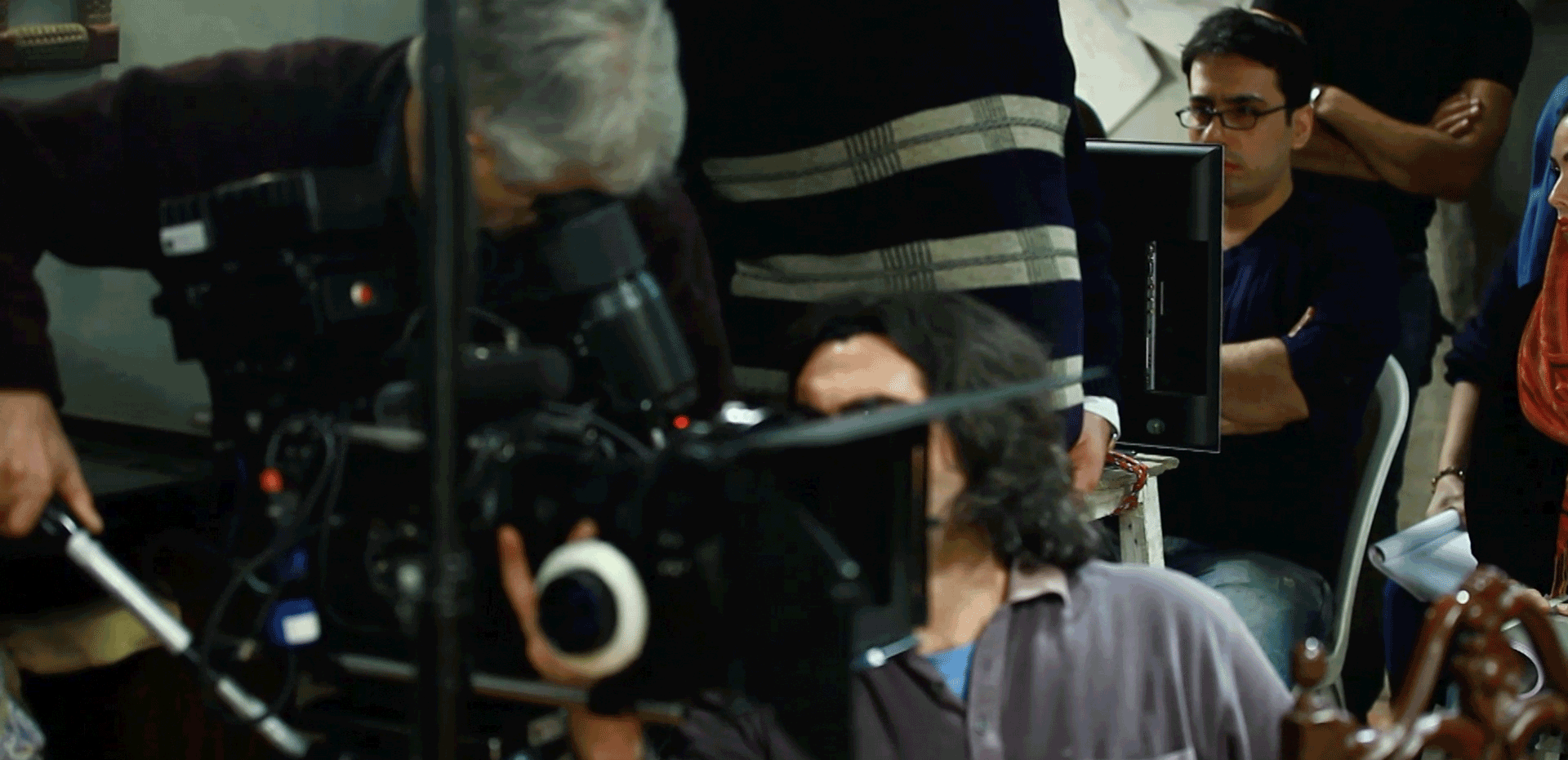
My approach was to keep the camera close and the storytelling restrained, allowing gestures, silences, and glances to express what words cannot. I wanted the world of the film to feel lived-in rather than constructed, and the emotions to remain quiet, truthful, and never sensationalized.
Although rooted in a specific place and Persian culture, DELIYAR speaks to a universal experience: the tension between who we are and who we are expected to become. I hope the film invites empathy rather than judgment, and leaves audiences with questions that linger long after the final frame.
— Nima Ghapanoori
Director's Biography
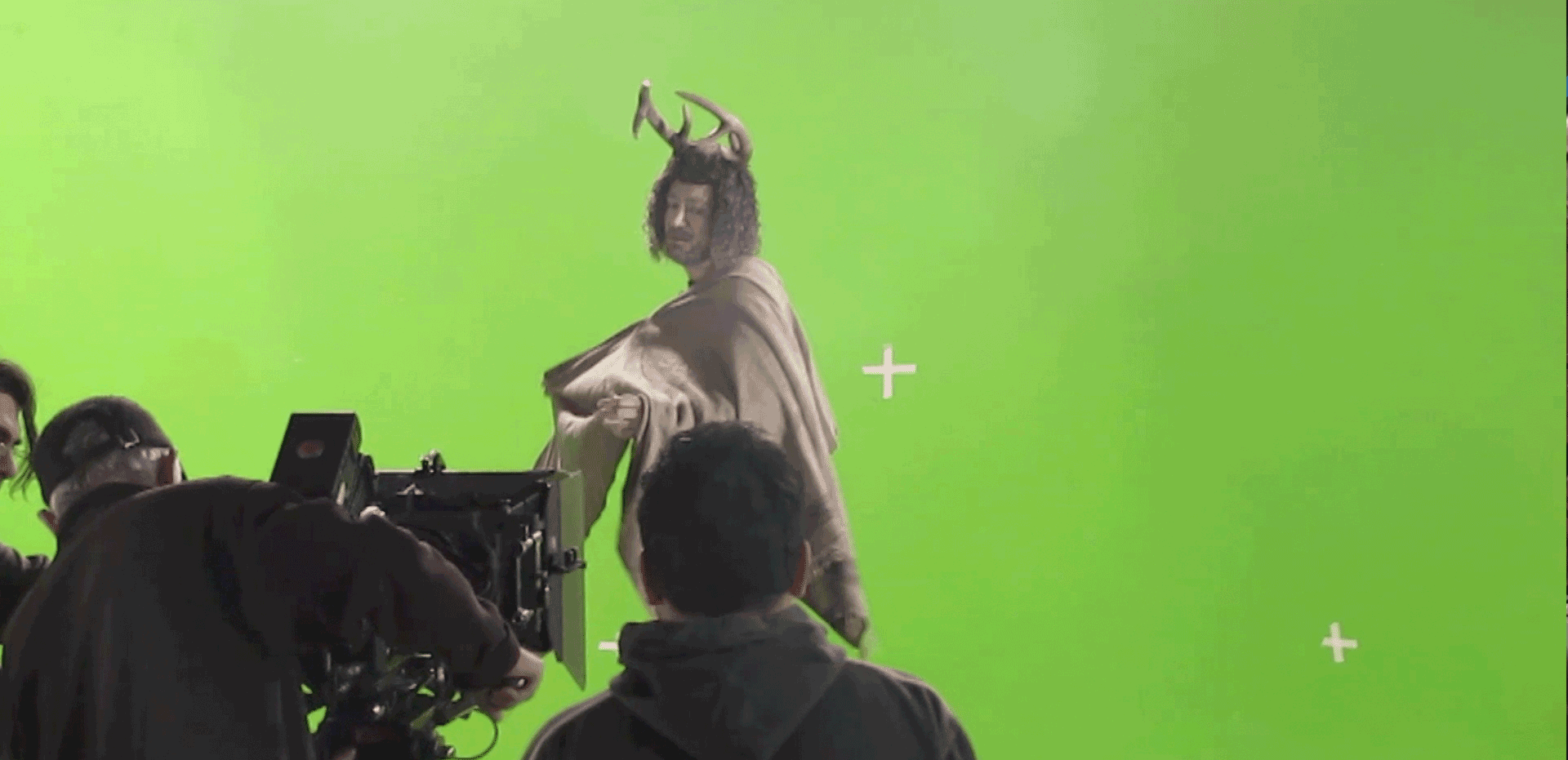
Nima Ghapanoori is an Iranian filmmaker working across directing, editing, visual effects, and audiovisual design. He began his career in advertising and teaser production before moving into short films, theater and concert visual design, and video direction for live performances. His multidisciplinary background, including collaborations on international visual effects projects, informs a cinematic approach shaped by atmosphere, image construction, and emotional precision.
Having directed several short films and received awards for his earlier work, Ghapanoori presents DELIYAR as his latest short film and his first submission to the international festival circuit.